
Building Customer Trust as an Electrician: A Complete Guide
Trust is the foundation of a successful electrical business. Learn how to build customer confidence through qualifications, communication, reviews, and consistent quality work.
Amber Advertising Team
6 July 2026
Building Customer Trust as an Electrician: A Complete Guide
Trust is the currency of the electrical trade. When a homeowner invites an electrician into their property, they're not just paying for a service — they're placing their safety, their home, and their family's wellbeing in someone else's hands. Electrical work is invisible once it's done; the customer can't see whether a wire is properly terminated or a circuit is correctly rated. They have to take it on faith that the work has been carried out to the right standard.
This is why building trust isn't just a nice-to-have for electricians — it's the foundation of a sustainable business. Customers who trust you will hire you again, recommend you to friends and family, and leave the kind of reviews that bring in even more work. In this guide, we'll explore the practical steps every electrician can take to build and maintain trust with their customers.
Why Trust Matters More Than Price
Many electricians assume that customers choose based on price. In reality, price is usually a secondary consideration. When someone needs an electrician, their primary concern is finding someone competent, reliable, and honest. They've heard the horror stories — botched rewires, unsafe installations, cowboys who take payment and disappear. Their biggest fear isn't overpaying; it's being put at risk or being ripped off.
This means that the electrician who can demonstrate trustworthiness has an enormous competitive advantage — often more than the one who simply offers the lowest price. Customers will happily pay a fair rate when they feel confident the work will be done properly and safely.
Get Qualified and Show Your Credentials
The first step in building trust is having the right qualifications — and making sure customers know about them. In the UK, this means being registered with a competent person scheme such as NICEIC, NAPIT, or ELECSA. These registrations aren't just legal requirements for certain types of work; they're powerful trust signals that tell customers you've been assessed and approved by a recognised body.
When you create your online listing or profile, make your qualifications prominent. Display your registration numbers, mention your certifications in your description, and include photos of your ID cards or certificates if appropriate. Customers actively look for these details, and their absence can be a red flag.
Insurance is equally important. Public liability insurance protects your customers if something goes wrong, and stating that you're fully insured gives them peace of mind. Make this information visible on every platform where you appear.
Let Your Work Speak for Itself
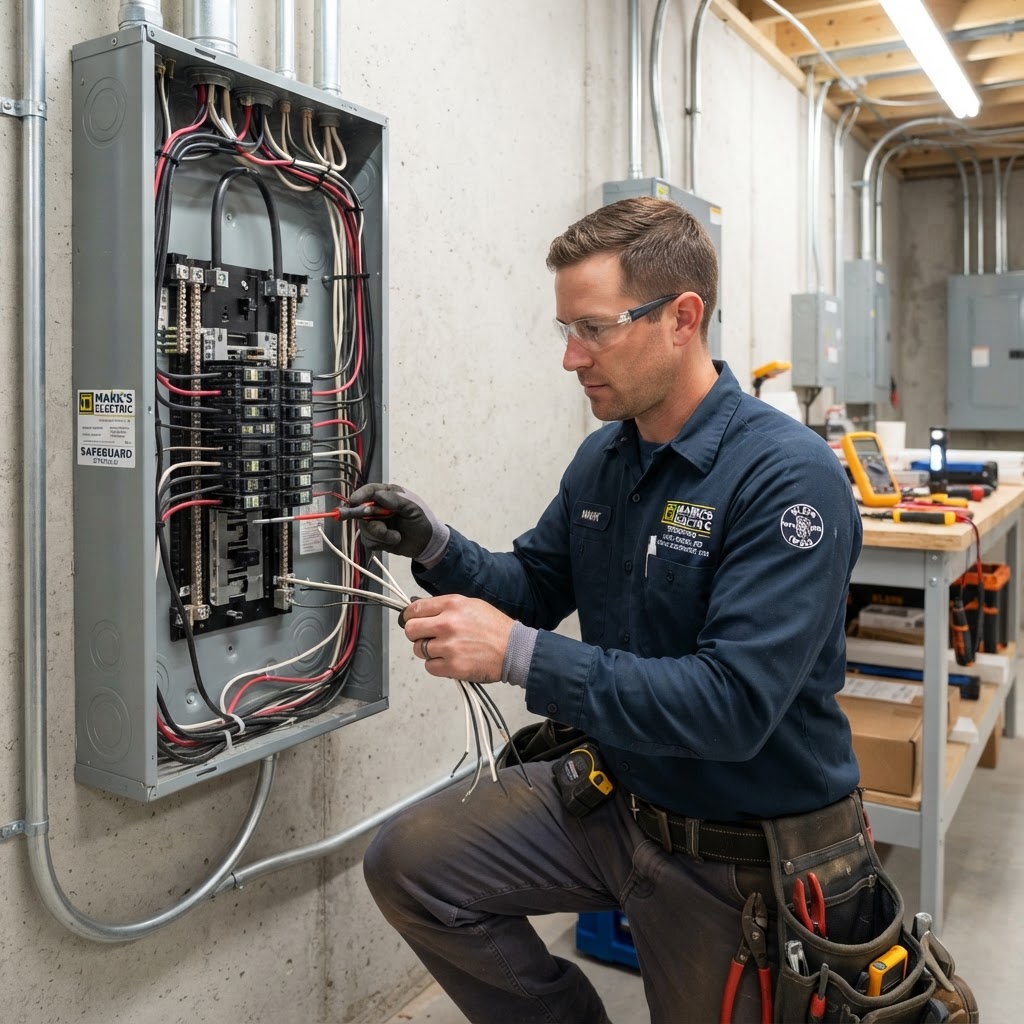
Electrical work might be invisible once it's installed, but the process of doing it isn't. Photograph your work at every stage — the neat cable runs, the correctly labelled consumer unit, the tidy trunking, the before-and-after of a rewired room. These images are powerful trust-builders because they show potential customers exactly what they can expect.
When you complete a job, ask the customer if you can take a few photos (as long as you're not capturing anything personal or identifying about their home). Build a portfolio of your best work and display it on your listing. A picture of a flawlessly installed consumer unit says more about your professionalism than any amount of marketing copy.
Video is even more powerful. A short clip explaining what you're doing and why — perhaps showing how you test a circuit before certifying it — demonstrates expertise and transparency in a way that builds instant trust.
Communicate Clearly and Honestly
One of the quickest ways to lose a customer's trust is through poor communication. Arriving late without letting them know, failing to explain what the problem is, or handing over an invoice with no breakdown of costs — these are the things that make customers feel uneasy.
Good communication starts before you even arrive. When a customer enquires, respond promptly and professionally. Confirm the appointment time and stick to it. If you're running late — and every tradesperson is sometimes — call ahead and let them know. Small courtesies like this make a big impression.
When you're on site, take the time to explain what you've found and what you're going to do about it. Use plain English rather than technical jargon. Give them a clear, itemised quote before starting any work. If you discover additional problems mid-job, stop and explain the situation rather than quietly adding to the bill. Customers respect honesty, even when it means the job costs more than expected.
Build a Reputation Through Reviews
Online reviews are the modern equivalent of word-of-mouth, and they're one of the most powerful trust-building tools available. When a potential customer is reading your profile, the first thing they look at is what other people have said about you.
Actively encourage your satisfied customers to leave reviews. Most people are happy to do this when asked — they just don't think of it on their own. Send a follow-up message after completing a job, thanking them for their business and asking if they'd be willing to share their experience online.
When you receive a review — positive or negative — respond to it. Thank customers for kind words, and address any concerns raised in negative reviews professionally and constructively. This shows potential customers that you're engaged, responsive, and committed to resolving issues.
Be Consistent
Trust isn't built overnight, and it isn't built through a single interaction. It's built through consistent, reliable service over time. The electrician who turns up on time, communicates clearly, does quality work, and follows up afterwards — every single time — is the one who earns a reputation that brings in consistent work.
Every job is an opportunity to strengthen your reputation. Treat each customer as if your business depends on them, because in a sense it does. A single happy customer might tell two friends; an unhappy one will tell everyone they know. Make sure the story they tell is a good one.
Building trust takes effort, but it's the most worthwhile investment you can make in your electrical business. Start today by reviewing your online presence, gathering your credentials, showcasing your work, and committing to clear, honest communication with every customer. The trust you build will pay dividends for years to come.
Topics